250 Years Later, It’s Time to Build the Country We Were Promised
By Carmen Daugherty, Interim Executive Director April 8, 2026
By Carmen Daugherty, Interim Executive Director April 8, 2026
As the United States approaches its 250th anniversary, we are told to celebrate a promise: democracy, freedom, and justice for all. But let’s be honest about history. That promise has never been real for all of us. From its founding, this country built its wealth and power on stolen land, enslaved labor, and the systematic exclusion of Black people, Indigenous communities, immigrants, and women from the very idea of “the people.” Every expansion of rights in this country has been hard-fought and incomplete and always met with backlash, retrenchment, and reinvention of the same systems of control.
Two hundred and fifty years later, we are not witnessing a break from that history, rather, we are witnessing its continuation. What we are living through now is not just a series of policy debates, but a coordinated authoritarian project to narrow democracy even further, to decide who belongs, who participates, and who is disposable.
With the upcoming Callais Supreme Court case decision, there is a real and present danger of further gutting what remains of the Voting Rights Act. At the same time, federal proposals like the SAVE Act seek to erect new barriers to the ballot under the false banner of “integrity.” These efforts are not about protecting democracy, but about controlling it. They are about making sure that our communities, including Black voters, immigrant communities, and young people, have less power to shape the future.
We see it in the relentless targeting of immigrant communities. Families are separated, detained, and deported under increasingly punitive systems that treat human beings as threats rather than our neighbors. Entire communities are forced to live under constant surveillance and fear.
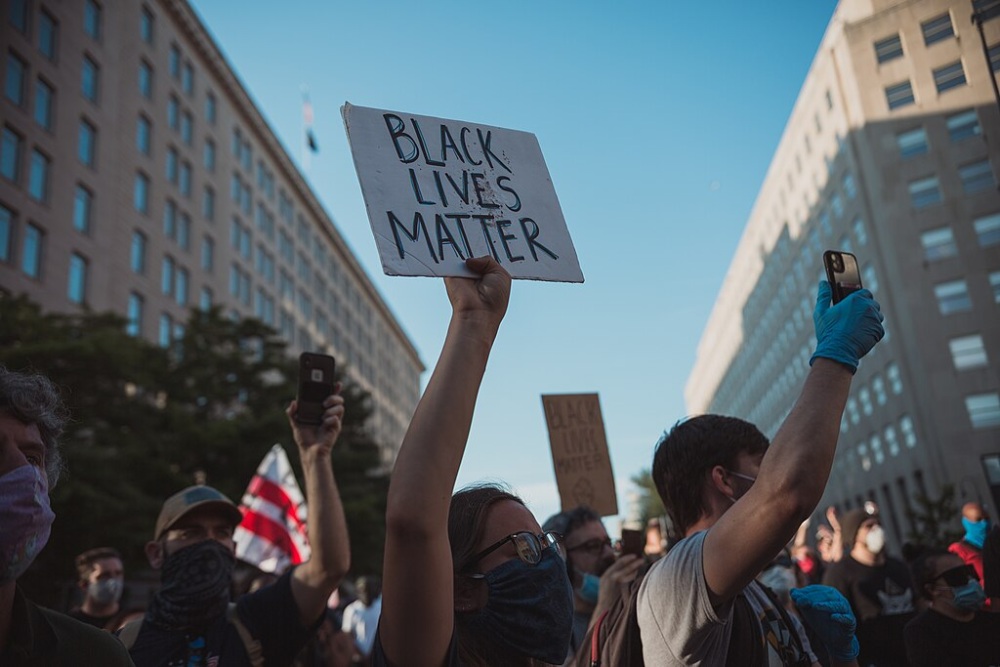
We see it in the criminalization of protest. Across the country, lawmakers are advancing measures designed to punish dissent by expanding police powers, increasing penalties, and sending a clear message: if you speak out, you will be met with force.
And still, people resist.
Young people are organizing walkouts, demanding safer schools, racial justice, climate action, and the right to shape their own futures. They are refusing to accept a system that offers them violence and exclusion instead of opportunity and care. Their leadership is a reminder: even in the face of repression, the future is not yet written.
If the first 250 years have taught us anything, it is that the promise of this country that was defined by the founding white men was never designed to fully include all of us. So, the question is not how we restore that promise. It is: what we are willing to build instead? What would freedom look like if we took it seriously?
It would mean a democracy where every person can vote freely, without fear and where voting is just one part of meaningful way to participate in public life. It would mean a country where no one is criminalized for where they come from, where families are not torn apart by borders or policies. It would mean the right to protest without repression and the ability to demand change without risking your safety or your future. It would mean schools, communities, and systems that invest in care, not punishment. It would mean shifting real power into the hands of the people most impacted by injustice. This is not a distant vision. It is already being imagined and built by movements across the country.
We are not bound to repeat the failures of the past 250 years. But change will not come from courts or institutions alone. It will come from people who are organized, resourced, and unafraid to demand something better. The next 250 years are not yet written. Let’s make them something different.
As we relaunch our blog, our goal is to build something more intentional and impactful —grounded in the lived experiences of the communities we come from and work alongside. We’ll go beyond reacting to the moment by offering timely analysis that helps shape conversations around justice, policy, and culture.
We’ll connect the dots across systemic issues, foster deeper understanding of our issues, strengthen solidarity, and inspire action. This space will also elevate the voices and expertise of our staff and partners, highlighting the power of community-driven work on the ground. And importantly, we’re committed to equipping readers with clear, actionable resources so that we move from awareness to meaningful change.
Join us in the work of reimagining and actively shaping the next 250 years of America’s future, rooted in racial justice and a thriving multiracial democracy.