There’s No Pride Without Protest: What Stonewall Still Demands of Us
By Erin Miles Cloud, Justice Project Director June 24, 2026
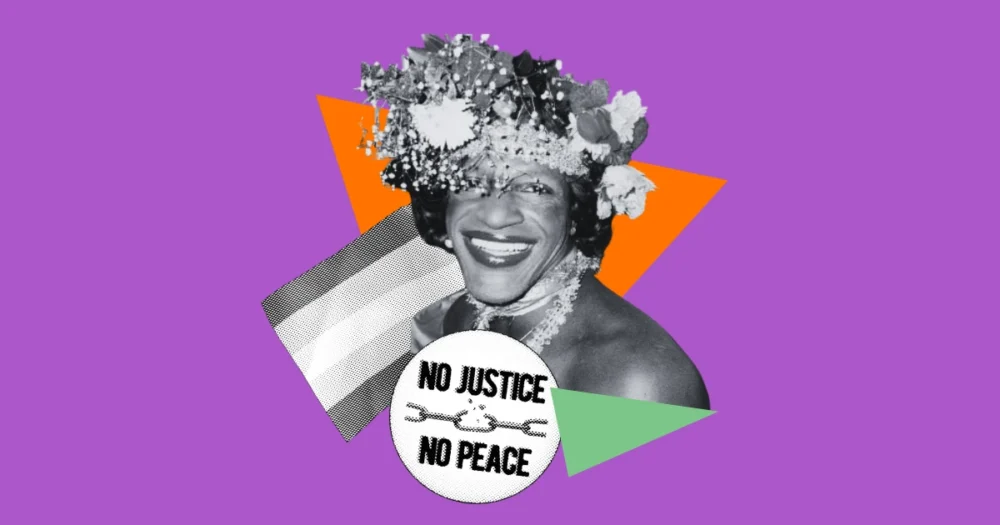
By Erin Miles Cloud, Justice Project Director June 24, 2026
Every freedom we have inherited was first imagined by people brave enough to refuse obedience. The uprising at the Stonewall Inn in New York City was not a spontaneous burst of chaos; it was the sound of a community pushed beyond humiliation and into history. In the early hours of June 28, 1969, police raided a gathering place for gay, trans, and gender-nonconforming people, continuing a pattern of harassment that had treated queer existence as criminal, shameful, and disposable. But that night, people did not scatter. They stayed. They shouted. They fought back. And in doing so, they reminded the world that dissent is not the opposite of democracy. Dissent is democracy breathing.
Too often, those in power praise freedom only after it has been made safe and sanitized. They celebrate movements once the marches are over; when rallying cries can be turned into digestible slogans that fit on posters, once the people who risked everything have been martyred and become known as symbols instead of demands they called for. But Stonewall was not polite. It was not convenient. It was not approved in advance by institutions that had already failed the people in the streets. It was resistance born from survival.
That matters now. Across the U.S., communities are still being told to be quiet in the face of attacks on their bodies, families, schools, neighborhoods, histories, and futures. Laws and policies are being used to criminalize protest, truth-telling and organizing. Queer and trans people, immigrants, mothers, and children are asked to trade their freedom in the name of order. But order without dissent is not peace; it is control.
We do not have freedom without dissent. We do not have democracy when people are punished for naming harm. We do not have liberation when the most vulnerable are told to wait, soften their language, lower their voices, or make their pain more palatable. The right to resist is not a luxury granted by the powerful; it is a necessary practice of collective survival.
At its best, democracy is not merely a set of institutions. It is a social movement for freedom. It is people gathering in streets, classrooms, union halls, churches, community centers, courtrooms, and kitchen tables to say: we deserve to live. It is the courage to challenge laws that protect oppression and customs that normalize cruelty. It is the insistence that no one is free while others are targeted, erased, or afraid.
This is what Stonewall teaches us. Pride began as a moment of refusal, riot, and defiance. Pride and protest have never been separate and they never will be. Don’t wait for permission to speak up and speak out for our communities. Support organizations such as Gender & Sexualities Alliance Network (GSA) and Transgender Law Center, who speak up when the most vulnerable among us are told to be quiet. Learn how protest and dissent are suppressed through legislation, policy, and enforcement. Know your rights when interacting with law enforcement at protests and in daily life. Dissent is how democracy stays alive.